When transit companies, acting as agents for shippers, lease containers for packing goods, the containers may be received from the shipping line with physical damage. Similarly, when loaded containers are cleared at the port, the truck driver may sign the Equipment Interchange Receipt without noticing existing damage. Upon return of the empty container, the shipping line may charge for damages and deduct the cost from the caution deposit, even if the container did not fall or collide during transport.
A container may look suitable outside, yet its interior, doors, floor or structure may have problems that become serious once cargo is loaded. Dirt, moisture, unusual odours, visible damage or defective door fittings can complicate handling and expose goods to avoidable risks. A container inspection documents the unit’s observable condition at a specific time, often before acceptance, before loading, after an incident or upon return.
For businesses moving goods through Cameroon, including maritime and logistics operations connected with the ports of Kribi and Douala. Understanding the basic checks can help shippers ask for the right service and prepare useful information. Always agree on the inspection scope in advance: a routine visual condition check is not the same as a formal structural examination, certification or specialized test.
Container safety dangers
Container problems generally have two main causes: normal wear and human error.
Normal wear results from repeated use and exposure to difficult conditions. A container may be lifted many times each year, sometimes around 34 times. It is also exposed to weather, sea spray, vibrations, shocks and knocks during transport and handling. Over time, these factors can weaken its structure, doors, floor or seals.
Human error is another major cause of container damage. It may occur during packing, securing cargo, labelling, marking, or documentation. Poor packing can cause goods to shift, while incorrect labelling or incomplete documents can lead to delays, extra costs, or safety risks.
Container inspections help identify these problems early. They protect cargo, reduce financial losses and improve safety throughout the supply chain.
Why is container inspection important?
Containers can pass between shipping lines, terminals, depots, transporters, warehouses, and cargo owners. A clear record of condition can help parties identify visible concerns before loading or acceptance and provide a useful reference if damage or a disagreement is reported later.
The main reasons for container inspection are safety, identification, liability and repair. Inspection helps detect damage, leaks, moisture, or defective doors that could endanger cargo, workers or equipment. It also confirms the container’s number, seal, and condition, making the unit easier to track. A written report shows when and where damage was observed, helping determine responsibility between the parties. Finally, early detection allows minor problems to be repaired before they become serious or costly.
The International Maritime Organization’s International Convention for Safe Containers (CSC) establishes an international framework for container safety approval, examination, and maintenance. The IMO/ILO/UNECE Code of Practice for Packing of Cargo Transport Units (CTU Code) provides guidance on checking cargo transport units and packing cargo safely. These frameworks are not replaced by an ordinary visual inspection, and a visual report should not be presented as a safety approval or guarantee against loss.
Common container inspection checks?
1. External condition and visible damage
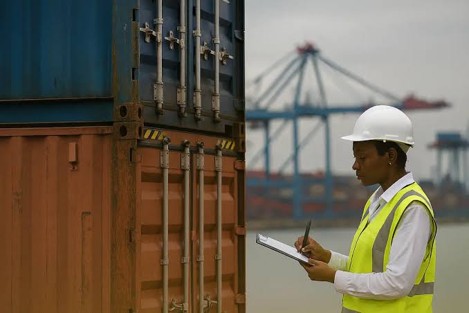
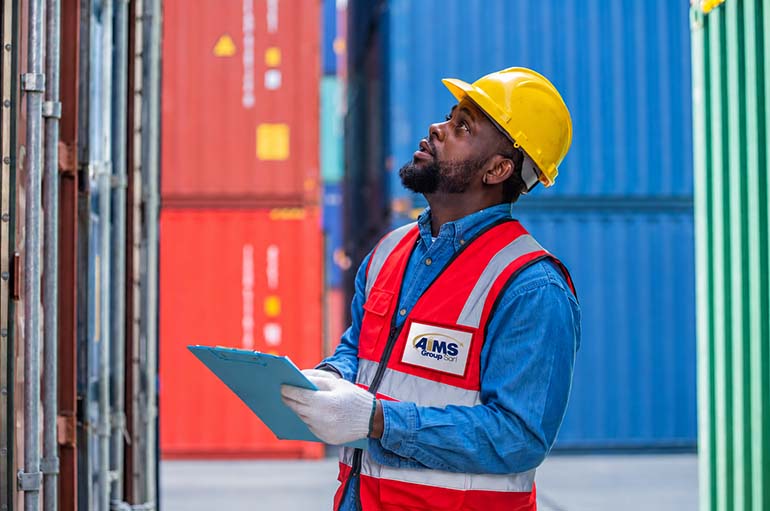
An inspector may examine accessible external surfaces for dents, holes, cracks, bent components, distortion, damaged panels or signs of impact. The frame, corner posts, corner fittings, walls and roof may be checked where accessible and within the agreed scope. Visible defects should be clearly described and photographed where appropriate.
The purpose is to record observable conditions and flag concerns requiring further assessment. A visual check cannot confirm a container’s full structural integrity. If serious damage is suspected, the owner or responsible party should be consulted before use.
2. Interior cleanliness and Suitability for cargo
The interior may be checked for loose debris, dust, residues, and stains, standing water, visible pest activity or other contamination concerns. Unusual odours should be recorded when relevant, especially if the next shipment contains goods that can absorb smells or are sensitive to contamination.
Also, timing affects the scope. An empty-container inspection before stuffing can provide access to the interior surfaces. If the container is already loaded, cargo may hide the floor, walls or other areas. A report should state what was accessible, what was observed and any limitations.
3. Identification numbers, markings and safety plate
The container identification number and visible size or type markings may be compared with the details supplied for the assignment. This is useful when several containers are being received or dispatched. Where applicable and within scope, the inspector may record visible details of the Container Safety Convention (CSC) safety approval plate and examination markings.
Where Can Container Inspections Take Place?
Container inspections may be conducted at different locations depending on the purpose of the inspection, the container’s movement, and the stage of the logistics process.
1. Gate Inspections
Gate inspections are carried out at the entrance or exit of a port, terminal, or container handling facility. They generally take place when a container enters or leaves the facility.
During a gate inspection, the container’s external condition is examined to identify visible damage, including dents, holes, cracks, rust, damaged doors, defective locking mechanisms, and other abnormalities.
The container number, identification markings, and seal number, where applicable, may also be checked and recorded.
Gate inspections help establish the condition of a container at the point of entry or exit. This information can serve as useful evidence in the event of a damage claim or disagreement between the parties involved.
2. Container Freight Station (CFS) and Inland Depot Inspections
Container inspections can also take place at Container Freight Stations (CFS) and inland container depots, where containers are received, stored, handled, stuffed, or unstuffed.
At these locations, inspections may cover both the external and internal condition of the container, depending on the assignment.
The inspection may include checking the container’s walls, floor, roof, doors, locking devices, cleanliness, moisture, and possible signs of contamination or previous damage.
For containers intended for stuffing, particular attention is given to their suitability for receiving cargo. For containers that have been emptied, inspections may help determine whether they have sustained damage during handling or cargo operations.
These inspections help cargo owners, freight forwarders, shipping lines, and other logistics stakeholders make informed decisions before proceeding with subsequent operations.
When Should a Container Inspection Be Requested?
Container inspections may be required at different stages of the transportation and cargo-handling process. Three serious situations include:
1. Before Receiving a Container
Before accepting a container from a shipping line or terminal, an inspection can help establish its physical condition.
The inspection should identify visible structural damage, defects, holes, poor door conditions, and other issues that could affect the container’s suitability for use.
Recording the container’s condition before receipt is important because it provides evidence of its state at the time it was handed over. This can help prevent disputes over responsibility for damage discovered later.
2. Before Container Delivery or Return
Before returning an empty container to a shipping line or delivering it to another party, an inspection can help establish its condition after the cargo has been removed.
The inspection may identify new dents, damaged floors, broken door components, holes, or other defects that may have occurred during transportation, loading, unloading, or handling.
Where necessary, photographic evidence and a detailed inspection report can support communication between the concerned parties and help clarify the condition of the container at the time of return.
3. Before Container Stuffing
Before cargo is loaded into a container, an inspection is necessary to determine whether the container is clean, dry, structurally sound, and suitable for the intended cargo.
The inspection generally covers:
– Structural condition: Checking the walls, roof, floor, doors, and locking mechanisms for visible damage.
– Cleanliness: Ensuring that the container is free from dirt, waste, residues, and previous cargo remains.
– Dryness: Checking for water ingress, moisture, and signs of dampness.
– Odour and contamination: Identifying unusual smells, chemical residues, or other signs of contamination that could affect the cargo.
– General suitability: Assessing whether the container is appropriate for the nature and requirements of the goods to be transported.
A pre-stuffing inspection helps reduce the risk of cargo contamination, deterioration, and damage during transportation.
What Should You Prepare Before Requesting a Container Inspection?
To ensure that an inspection is properly organized and carried out efficiently, the requesting party should provide relevant information and documents before the operation.
The following details are particularly important:
Container Identification Details: Provide the container number and type, such as a 20-foot or 40-foot container, where applicable. Accurate identification helps the inspection team locate and verify the correct unit.
Inspection Location: Clearly indicate where the inspection will take place, whether at the port gate, terminal, Container Freight Station, inland depot, or another designated facility.
Purpose of the Inspection: that is
– Inspection before receiving an empty container.
– Inspection before returning an empty container to the shipping line.
– Pre-stuffing inspection.
– Damage assessment.
– Verification of the container’s general condition.
Relevant Shipping and Cargo Documents: Depending on the assignment, the requesting party may be asked to provide supporting documents such as:
– Delivery order or release order.
– Equipment interchange receipt (EIR), where available.
– Container movement or booking details.
– Shipping instructions or relevant cargo documents.
– Previous inspection reports or damage records, where applicable.
The documents required may vary depending on the nature of the inspection and the parties involved.
Inspection Schedule and Access Arrangements: Indicate the preferred inspection date and time. The requesting party should also ensure that the container is accessible and that the necessary authorizations or arrangements for entry into the facility have been made.
This is particularly important for inspections conducted within port terminals and inland depots, where access may be subject to operational and security procedures.
Conclusion
Container inspections are an essential part of responsible cargo and logistics management. Whether conducted at a port gate, a Container Freight Station, or an inland depot, they help establish the physical condition of containers at important stages of their movement.
Requesting an inspection before receiving, returning, or stuffing a container can help prevent avoidable damage, reduce disputes, and protect cargo interests. For businesses operating around the Port of Kribi and other logistics facilities in Cameroon, working with qualified maritime inspection professionals is an important step towards safer and more reliable container operations.
Need professional container inspection services in Cameroon?
AIMS Group SARL provides maritime inspection and expertise services at the Port of Kribi, supporting stakeholders in monitoring container conditions and documenting findings during cargo operations.
Contact our team to discuss your container inspection requirements.