

Moving goods by sea involves several stages, from preparing cargo and checking containers to loading, transport, discharge, and delivery. At each stage, the condition, quantity, and handling of goods can become important. A cargo survey provides a structured inspection of cargo, a container, or a cargo-handling operation at an agreed point in the shipment process.
For importers, exporters, and other shipping stakeholders in Cameroon, understanding cargo survey services can help them decide what to check, when to arrange an inspection, and what information to prepare. AIMS Group SARL, a Cameroon-based maritime and logistics company with its principal establishment in Kribi, lists cargo surveying among its service areas.

What is a cargo survey?
A cargo survey is an inspection carried out to observe and document the condition or handling of goods at a specific time and location. Depending on the agreed scope, it may take place before loading, while cargo is being loaded or discharged, during container operations, or after damage or loss has been noticed.
The survey’s purpose is to create a factual record of what the surveyor can observe and verify within the instructions provided. The exact checks and report format depend on the cargo, transport arrangements, inspection location, and scope agreed with the service provider.
A survey is not, by itself, a guarantee that cargo will arrive without damage, proof of legal liability, a substitute for every statutory inspection, or a guarantee that an insurance claim will be accepted.
When may a cargo survey be required?
Shippers may consider arranging a survey when they need a clearer record of cargo condition or operations, for example:
- Before shipment, to document the visible condition of goods and packaging before loading.
- Before using a container, when its cleanliness, visible condition, markings, or suitability for the intended use need to be checked.
- During loading or discharge, to observe cargo handling and record relevant condition or tally information within the agreed scope.
- When cargo damage, shortage or suspected deterioration is discovered, to document visible evidence and relevant circumstances.
- When cargo securing or lashing needs to be inspected as part of a planned shipment operation.
- When a shipper, cargo owner, insurer, ship-owner or charterer needs an independent record for operational follow-up.
The right timing matters. If an inspection is needed before cargo is moved, contact the survey provider early enough to coordinate access, availability of the goods, and any relevant port or site arrangements.
In 2026 guidance, transport and logistics insurer TT Club warned that defective container-door seals can allow water ingress, potentially causing wet damage, contamination, corrosion, or mould. Its guidance also notes that repainting can conceal corrosion or metal fatigue. These risks help explain why container checks should address the agreed inspection points rather than rely on general outward appearance alone.
Types of cargo survey
1. Pre-loading and pre-shipment surveys
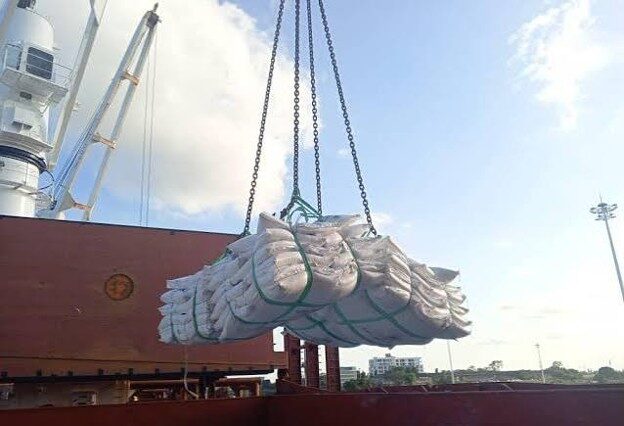
A pre-loading or pre-shipment survey records the cargo’s observable condition before loading or shipment. Depending on the instructions, the inspection may consider packaging, visible damage, the cargo’s presentation for loading, and the condition of the container or cargo space. It helps establish a point-in-time record before the next handling stage.
Why the pre-loading record matters: In a September 2026 article published by the International Union of Marine Insurance, a marine insurance specialist identified recurring sources of steel cargo claims, including moisture damage, corrosion, inadequate stowage and securing, handling damage, and documentation deficiencies. The article notes that preventable problems can begin before a vessel sails, for example, when cargo is accepted in poor condition, exposed to rain during loading, or insufficiently documented. These examples illustrate why it’s important to record the cargo’s condition before loading.
2. Loading and discharge surveys
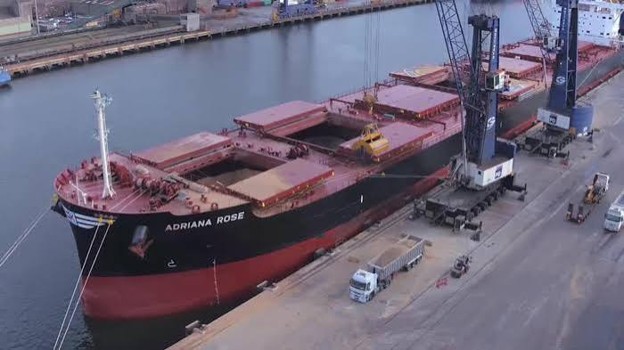
These surveys relate to cargo operations as goods are loaded onto or discharged from a vessel or transferred to another transport unit. Depending on the agreed assignment, observations may include cargo condition, handling, tally checks against relevant lists, storage arrangements, sealing or unsealing, and weight-related checks where applicable and specifically agreed.
In guidance updated in October 2021, marine insurer Gard described its experience with claims alleging shortages of agricultural cargoes, typically ranging from 0.5% to 5% of the quantity stated in the bill of lading. Gard considered virtually all of these particular claims to be “paper losses” rather than physical losses. It explains that draught-survey records taken after loading and before discharge can provide independent evidence of the quantities aboard at those stages.
Draught surveying is a specialist activity and should be specifically included in the agreed assignment; it should not be assumed to form part of every loading or discharge survey.
3. Damage and condition surveys
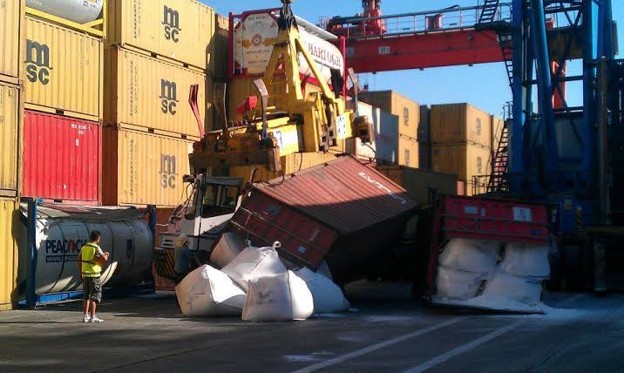
When goods appear damaged, missing, or deteriorated, a damage survey can document visible condition and collect relevant facts. Photographs, cargo descriptions, packaging condition, seals and available handling or delivery records may help build a clearer account of what was observed. The findings should not automatically be treated as a final determination of cause, fault or insurance coverage.
4. Securing and lashing surveys

A securing and lashing survey concerns how cargo has been arranged and restrained for transport. Appropriate stowage and securing are important to reduce the risk of cargo shifting and related hazards.
What information can a survey report document?
The content of a survey report depends on the instructions and the work actually performed. Where relevant and within the agreed scope, a report may record:
- The date, time and location of the inspection.
- The cargo description and identifying details supplied or available at the time.
- The visible condition of the goods, packaging, container or cargo space.
- Observed damage, irregularities, or handling conditions, supported by notes and photographs taken.
- Tally or quantity observations and comparisons with available cargo lists, where included in the assignment.
- Relevant details about seals, loading or discharge activities, storage or securing that were within the survey scope.
The documents reviewed, limitations encountered, and observations requiring follow-up.
How to prepare for a cargo survey
Good preparation helps the surveyor understand the assignment and coordinate access. Before requesting a survey, prepare the following where applicable:
- Cargo details: description, packaging, quantity, identifying marks and any known handling requirements.
- Shipment details: vessel or transport information, planned loading/discharge date and intended destination.
- Inspection location: port, quay, warehouse, container freight station, inland depot or another site.
- Purpose and scope: what you need checked, at which stage, and what questions the survey should address.
- Supporting documents: packing list, delivery or receipt records, photographs, cargo instructions and relevant shipping or contract documents available to you.
- Access and contacts: the person coordinating site access, cargo availability and operational arrangements.
- Urgency and timing: deadlines, vessel schedule or any time-sensitive concern.
Choosing the right survey scope
Before appointing a surveyor, clarify the decision you need the inspection to support. Are you checking a container before receipt, documenting cargo condition before loading, observing discharge, or recording damage that has already been identified? A clearly defined scope helps the parties understand what will be inspected and what the findings can reasonably establish.
Also confirm the survey location, timing, access arrangements, report format, fees, and whether specialist activities such as draft survey, sampling, weighing or expert-witness work are included. If insurance, contract or legal deadlines may apply, consult the relevant insurer, carrier, contract terms or qualified adviser promptly. A survey report may support further review, but it does not decide a claim by itself.

Request cargo survey support.
To discuss a cargo survey, contact AIMS Group SARL and provide your cargo description, inspection location, planned date, shipment details, and the purpose of the inspection. This information will help the team assess the request and clarify the proposed scope.
Email: [email protected] | Phone: +237 680 135 262 / +237 222 462 621
Address: Face Entrée RadioEspoir, Dombe, Kribi, South Region of Cameroon.